
Practice: Inner Collaboration
Learning to Work With Ourselves and our many sides


At Modo International around 2010 we hired an orthopedic surgeon turned Yoga teacher to be on our Advanced teacher training faculty. The way he spoke about muscles stayed with me until today. He used the word recruitment a lot and it landed for me. Muscles do not work in isolation. Agonists and antagonist muscles are recruited by the nervous system to create coordinated movement. Strength emerges not from one muscle doing all the work, but from the push and pull of collaboration.
We do this instinctively. And although we can optimize this muscular-team-effort, we’re naturally able to do it without thinking about it.
This is not necessarily the case at an emotional level. Many of us were never taught to even recognize that we have many emotional voices acting as agonists and antagonists, and pushing and pulling inside of us just like our muscles. Just as we can collaborate and recruit different physical muscles to do different jobs - lifting a box, running - we can recruit different aspects of our emotional self to tackle the every day challenges of life. And unlike muscles which are for the most part helping us stand without falling over, emotions can cause some pretty messy falls.
Within each of us are different tendencies. The part that is disciplined and driven. The part that resists the hard task. The part that offers care easily to others. The part that struggles to offer that same care to ourselves when we are in grief or pain. Collaboration begins when these parts are allowed to work together rather than compete for control.
William Ury’s work so wonderfully outlined in his books Getting to Yes and Getting Past No offer a helpful frame that can be applied both relationally and internally. Separate the people from the problem. When turned inward, this becomes an invitation to separate identity from difficulty. To recognize that a part of us may be struggling without defining the whole of who we are. Ury also emphasizes focusing on interests rather than positions. Internally, positions might sound like rigid self-talk. I must be productive. I have to be strong always. I’m the easy going one I can’t speak up for myself etc. Interests point to the underlying needs. Safety. Rest. Meaning. When these needs are acknowledged, the system softens. Collaboration becomes possible.
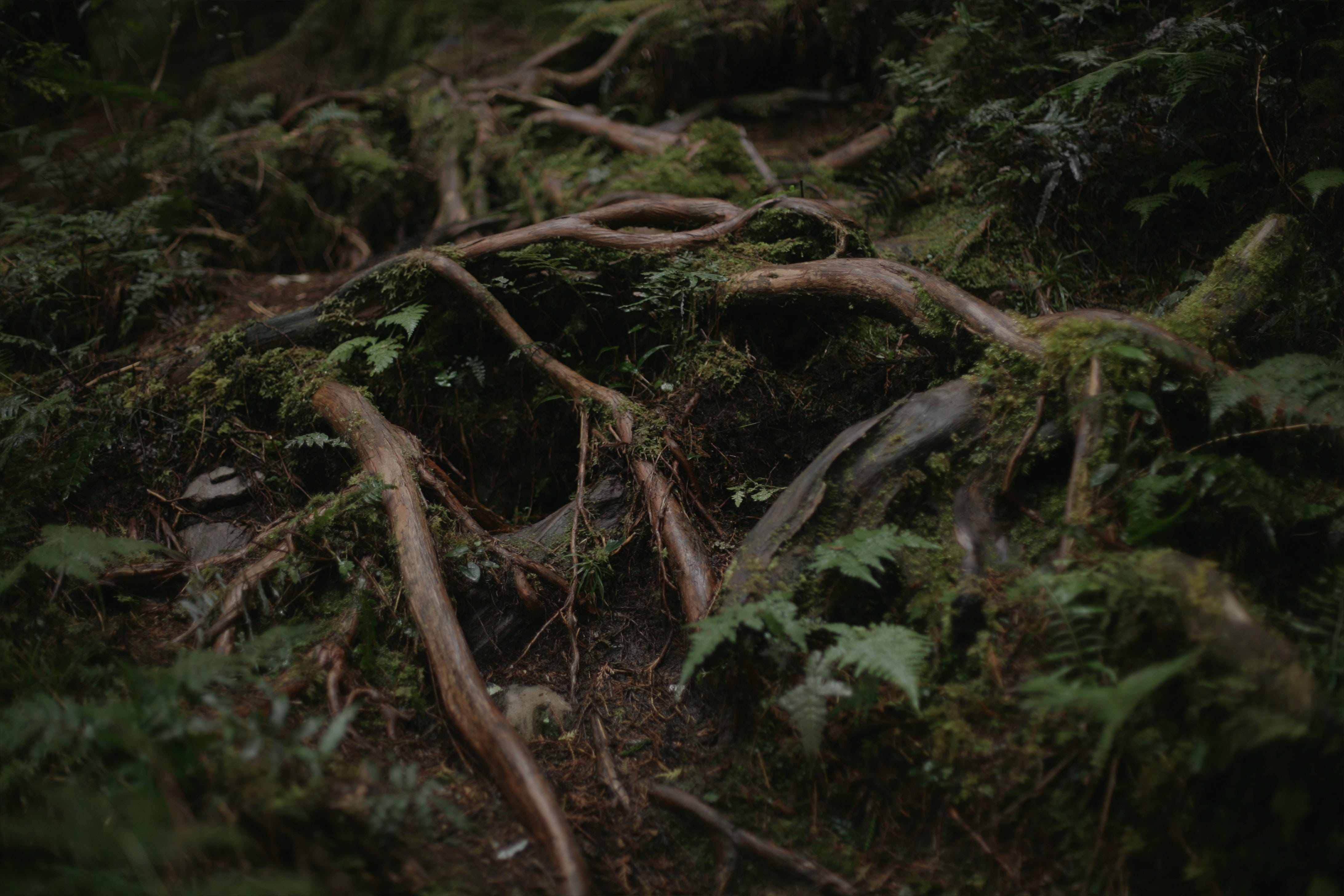
From a nervous system perspective, inner collaboration is a state of regulation. When different impulses within us are in conflict, the system often shifts into protection. We push harder or we disengage. When we learn to bring the same quality of listening and care to our own inner experience that we might offer a friend, something reorganizes.
Ury’s principle of generating options for mutual gain can also be applied inwardly. What would it look like for the part of you that wants rest and the part that wants to complete a task to find a shared solution. What might serve both. This does not require perfect balance. It requires enough internal spaciousness to let more than one need be present at the same time.
Objective criteria in negotiation are meant to depersonalize conflict. For example rather than blaming a partner for always being late, you agree to use a shared calendar to set a realistic arrival windows. Internally, this can look like anchoring decisions in values rather than momentary emotion. When action is guided by what matters most rather than by impulse, the nervous system often feels steadier. There is less inner fragmentation.

Breathwork and Somatic Journaling Practice: Collaboration Within
In this practice, breath and movement support an intention to foster a state of internal cooperation. Attention is brought to how different parts of experience can be present without one needing to dominate. The intention is not to resolve inner tension, but to allow enough safety for dialogue within the system.
Somatic journaling then invites reflection on how we relate to our own effort, resistance, care, and grief. Collaboration begins when we stop asking one part of ourselves to carry everything alone.
Future-facing reflection offers a way to sense what life might feel like when inner collaboration becomes a more familiar pattern. The nervous system responds to felt experience. Even imagining a more cooperative inner landscape can begin to shift how we move through the day with more energy and ease. Enjoy!
